
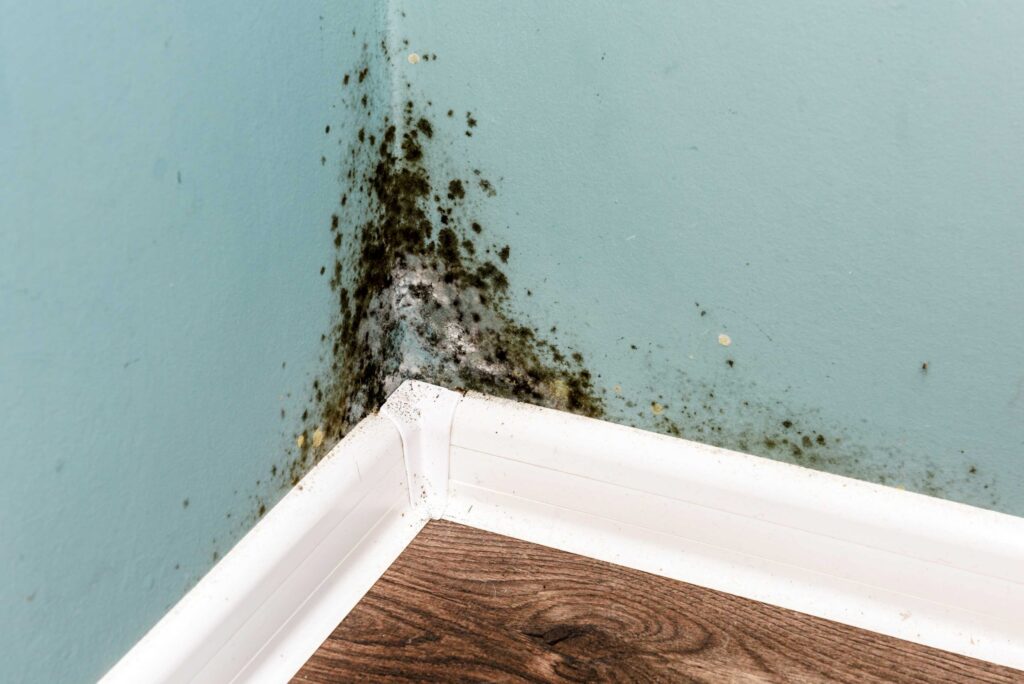
Housing disrepair claims are an essential legal tool for tenants facing issues with their rental properties. Whether you’re dealing with mould, damp, structural problems, or faulty plumbing, understanding your rights and the process of making a claim can help ensure your home remains safe and habitable. This blog will guide you through the essentials of housing disrepair claims, offering practical advice and outlining the steps to take if your landlord fails to address significant issues.
What is Housing Disrepair?
Housing disrepair refers to conditions in a rented property that fall below acceptable living standards due to the landlord’s failure to maintain or repair the property. This can include:
- Structural issues such as cracks in walls or foundations.
- Damp and mould growth.
- Faulty plumbing, including leaks and broken heating systems.
- Electrical problems, such as faulty wiring or broken sockets.
- Pest infestations.
Landlords have a legal obligation to ensure their properties are safe and habitable. When they neglect this duty, tenants have the right to seek redress through housing disrepair claims.
Your Rights as a Tenant
As a tenant, you have the right to live in a property that meets basic health and safety standards. The law requires landlords to:
- Keep the structure and exterior of the property in good repair.
- Ensure the property is free from damp and mould that could harm health.
- Maintain plumbing, heating, and electrical systems.
- Repair or replace broken fixtures and fittings provided by the landlord.
If your landlord fails to address these issues after being notified, you may be entitled to make a housing disrepair claim.
Steps to Making a Housing Disrepair Claim
- Notify Your Landlord: Before making a claim, you must inform your landlord of the disrepair in writing. Include details of the issues and any evidence, such as photographs.
- Allow Reasonable Time for Repairs: Give your landlord a reasonable amount of time to address the issues. What constitutes a reasonable time can vary depending on the severity of the problem.
- Keep Records: Document all correspondence with your landlord and keep copies of any reports or assessments related to the disrepair.
- Seek Legal Advice: If your landlord fails to make the necessary repairs, consult with a solicitor specialising in housing law. They can assess your case and advise you on the best course of action.
- Gather Evidence: Collect evidence to support your claim, including photographs, medical reports if the disrepair has affected your health, and witness statements.
- File Your Claim: With the help of your solicitor, file a housing disrepair claim. Your solicitor will guide you through the legal process and help you seek compensation for any damages.
Potential Outcomes of a Housing Disrepair Claim
If your claim is successful, the court may order your landlord to:
- Complete the necessary repairs within a specified timeframe.
- Pay compensation for any inconvenience, damage to personal belongings, or health issues caused by the disrepair.
- Cover your legal costs.
The amount of compensation awarded can vary, depending on the severity of the disrepair and its impact on your life.
Preventing Housing Disrepair
To minimise the risk of housing disrepair, tenants should:
- Conduct regular inspections of the property and report issues promptly.
- Keep written records of all communications with the landlord.
- Maintain the property in good condition and avoid causing damage.
Conclusion
Understanding and exercising your rights as a tenant can help ensure your rental property remains safe and comfortable. If you’re facing housing disrepair, don’t hesitate to seek legal advice and take the necessary steps to protect your health and wellbeing. By staying informed and proactive, you can navigate the process of making a housing disrepair claim effectively.